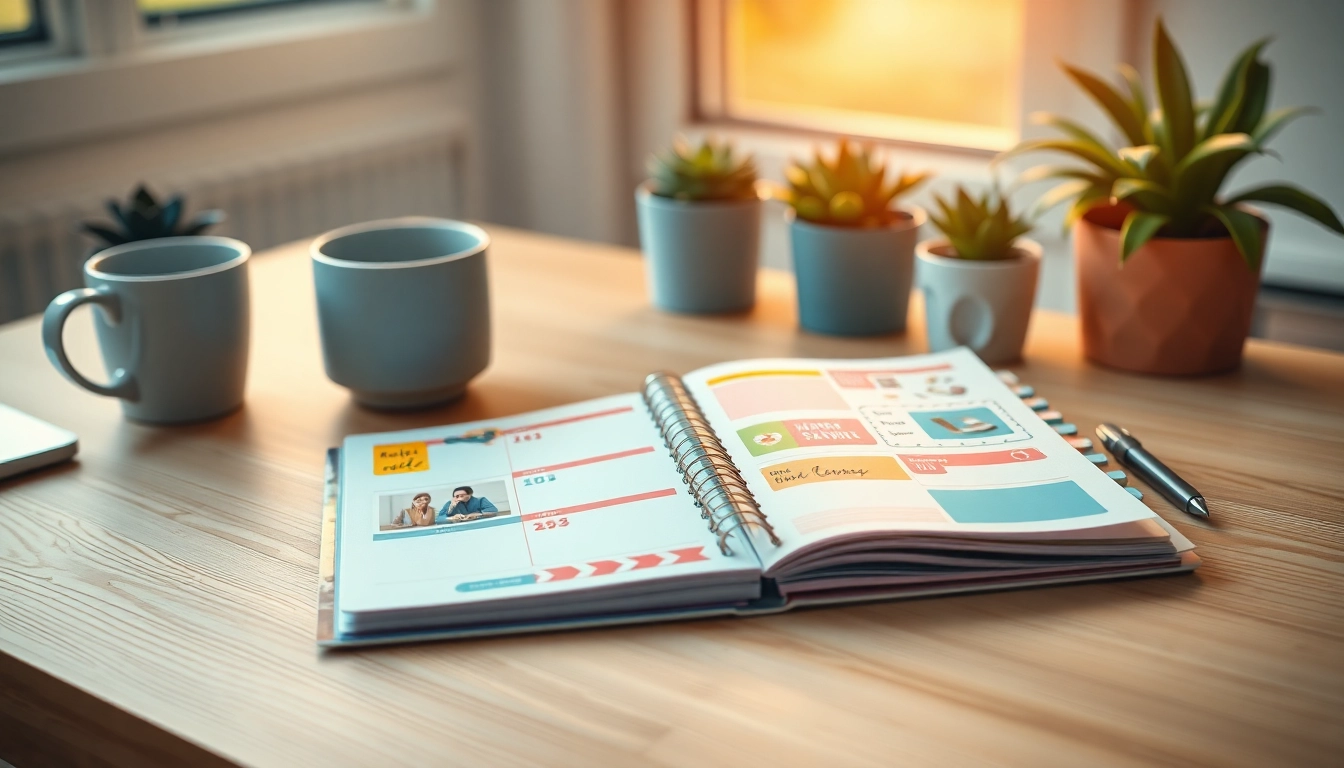
Understanding Your Needs for a Perfect Planner
Creating a personalized planner can revolutionize how you organize your life, from managing day-to-day tasks to setting long-term goals. Before you dive into the intricacies of design and layout, it's essential to assess your individual needs and preferences. This ensures your planner is a true reflection of what you require for productivity. Let's explore how to get started on this journey, and don't forget to check out Create Your Perfect Planner for more insights.
Assessing Your Goals
The first step in creating your perfect planner is to define your goals. Do you want to enhance your productivity, track your wellness journey, or organize a busy family schedule? Consider which areas of your life need more structure and how a planner can help clarify your objectives. Break down overarching goals into manageable categories such as work, personal, and leisure for a more structured approach.
Identifying Your Style
Your planner should be an extension of your personality. Are you drawn to vibrant colors and artistic designs, or do you prefer a minimalist approach with clean lines? Think about the aesthetics that bring you joy and motivation. Collect visual inspiration from various sources like Pinterest or Instagram to determine what resonates with you and think about how you can incorporate these influences into your planner's design.
Determining Usage Frequency
Analyzing how often you will use your planner is crucial. If you plan to carry it everywhere, a compact size may be ideal. For something that primarily stays at your desk, a larger format might work better. Additionally, consider the format—daily, weekly, or monthly layouts—with frequency of use and required detail affecting your choice. A comprehensive planner would encompass all frequencies of use allowing flexibility in tracking multiple aspects of your life.
Key Features of Your Perfect Planner
Your planner isn’t only about design; it also needs to include functional components that help you stay organized and on track. Understanding which features are essential for your needs allows you to make informed choices in the planning process.
Layouts to Consider
When selecting a planner layout, consider how you visualize your days, weeks, and months. Here are some popular formats to consider:
- Daily Layout: Great for detailed planning, ideal for busy individuals needing to break down their schedules hour by hour.
- Weekly Layout: Provides a snapshot of your week, which can help with managing short-term tasks and appointments.
- Monthly Layout: Perfect for tracking long-term goals and events, making it easier to see what’s coming up at a glance.
- Bullet Journal: A customizable option allowing you to track tasks, goals, projects, or even habits creatively.
Custom Covers and Personalization
Your planner's cover is the first thing you see, making it an important design feature. Opt for materials and styles that reflect your personality. You might want a durable hardcover for longevity, or a soft cover for flexibility. Additionally, consider personalization options that may include your name, a motivational quote, or even a custom design that sets the tone for how you approach planning.
Incorporating Goal Tracking
Effective planners not only help manage day-to-day tasks but also empower you to set and track your goals. Incorporate sections dedicated to goal setting, such as:
- Monthly Goals: A section to list your main aims for the month.
- Weekly Focus: A space to hone in on what needs your attention each week.
- Progress Tracking: Use charts or checklists to visualize your progress on various goals.
Designing Your Perfect Planner Layout
Now that you understand your needs and desired features, let’s move on to the fun part: designing your planner layout!
Choosing the Right Templates
When selecting a template, ensure it aligns with your goals. Many online tools offer pre-made templates that you can customize. Look for elements like:
- Clear demarcation of dates and tasks
- Space for notes and reflections
- Unique designs that resonate with your personal style
Choosing a template that provides enough space for your varied needs while still being aesthetically pleasing can boost your motivation to use it daily.
Adding Custom Sections
Custom sections can enhance the functionality of your planner. Think beyond traditional task lists. Consider adding categories for:
- Meal planning
- Self-care tracking
- Expense tracking
- Project management
These enhancements can create a more holistic view of your life, making your planner a powerful tool for organization.
Graphic Elements and Aesthetics
Your planner’s visual appeal matters. Incorporate design elements such as:
- Color Coding: Designate colors for different areas of your life (e.g., work, personal, health) to improve visual organization.
- Stickers and Washi Tape: Use these decorative elements to distinguish sections and add personality.
- Fonts and Typography: Choose fonts that reflect your style—keep it neat for readability but allow for creativity.
Tools and Resources for Creating Your Planner
With your ideas and designs in mind, it’s time to choose the best tools for creating your planner.
Online Planner Builders
There are many online platforms that allow you to create custom planners. Some of these platforms offer templates specifically designed for planners and journals while allowing you to add personal touches as required. Popular options include online builders that provide user-friendly interfaces to make the designing process simple.
Graphic Design Software
If you have design experience, graphic design software offers a wealth of creative options. Tools like Adobe InDesign, Canva, or Affinity Publisher allow for greater customization. You can utilize various layers, fonts, and graphic elements to produce something unique and professional.
Utilizing Free Templates
Some websites offer free planner templates that can be downloaded and adjusted to fit your needs. Look for reputable sites that give high-quality downloads in various formats like PDF or DOCX. These templates can save time on design and offer a solid base for customization.
Expert Tips for Maximizing Planner Use
Once your planner is designed and ready, it’s essential to adopt effective strategies to maximize its potential.
Routine Planning Techniques
Establish a routine where planning becomes an integral part of your day or week. Consider setting aside time each Sunday evening to plan for the upcoming week, prioritizing tasks, and ensuring that all appointments and obligations are documented.
Integrating Planning with Productivity
Connect your planner with productivity techniques like the Pomodoro Technique, which emphasizes focused work intervals followed by short breaks. Use your planner to schedule these productive bursts to enhance focus and efficiency throughout your day.
Maintenance and Updates
Keep your planner relevant by regularly reviewing and updating your goals and tasks. Make it a habit to reflect weekly on what worked, what didn’t, and adjust your planning strategy accordingly. This feedback loop will increase the effectiveness of your planner over time.
FAQs
How can I create my perfect planner online?
Use customizable templates from various design tools and begin with your desired layout, adding sections as needed.
What materials do I need for a handmade planner?
Gather quality paper, a sturdy cover, binding materials, and decorative elements like stickers and washi tape for customization.
Can I design my planner for a specific audience?
Absolutely! Tailor your design and layout based on the needs of your intended audience, whether students, professionals, or creatives.
What sizes are available for planners?
Planners are available in various sizes including A4, A5, and personal formats, so choose based on portability and writing space needs.
Are there digital options for planners?
Yes, digital planners can be used on tablets or computers, offering features like cloud storage and interactive design elements.