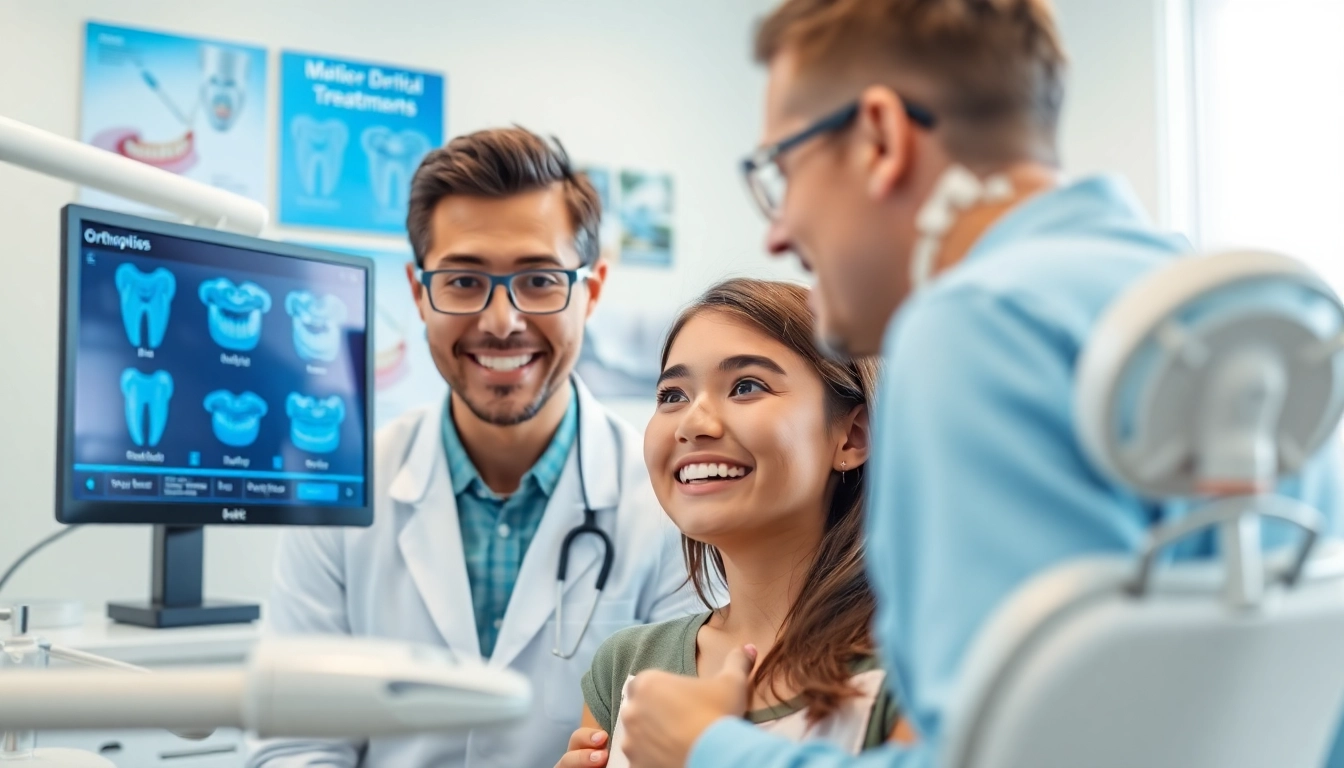
Understanding Orthodontics: The Basics
What is Orthodontics?
Orthodontics is a specialized branch of dentistry focused on diagnosing, preventing, and treating dental and facial irregularities. This field encompasses the practice of aligning teeth and jaws to achieve a harmonious bite and aesthetic smile. Treatment often involves the use of devices like braces or clear aligners to correct misalignments and improve overall oral health. Orthodontics is vital in ensuring proper dental function while enhancing self-esteem through improved smile aesthetics.
Importance of Orthodontic Treatment
Orthodontic treatment holds significant importance not only for aesthetic reasons but also for overall dental health. Proper alignment of teeth plays a crucial role in effective chewing, speech, and oral hygiene. Misaligned teeth can lead to various issues, such as uneven wear on enamel, jaw pain, and even gum disease. By addressing these issues early through orthodontics, individuals can prevent more severe dental problems in the future.
Common Orthodontic Issues Addressed
Several common orthodontic problems are routinely addressed by practitioners. These include:
- Overbite: This occurs when the upper front teeth overlap significantly over the lower front teeth.
- Underbite: In this condition, the lower teeth protrude beyond the upper teeth, which can affect bite function.
- Crooked or crowded teeth: Often resulting from insufficient space, these teeth can adversely affect oral hygiene.
- Gap teeth: Spaces between teeth can result from excessive jaw growth or missing teeth.
- Crossbite: This occurs when upper teeth rest inside the lower teeth, potentially leading to wear and jaw issues.
Types of Orthodontic Treatments
Traditional Braces: An Overview
Traditional braces are the most recognized form of orthodontic treatment. They consist of metal brackets attached to each tooth, connected by wires that are tightened over time. This method applies gentle pressure on the teeth, gradually shifting them into the desired position. While some may view traditional braces as less aesthetically pleasing, they are often the most effective for complex dental issues.
Clear Aligners: The Modern Solution
Clear aligners, such as Invisalign, offer a more discreet alternative to traditional braces. Made of transparent plastic, these aligners are custom-fitted for each patient and are designed to slowly move the teeth into alignment. They can be removed for eating and brushing, making them a popular choice among adults and teens seeking a less visible orthodontic option. Many patients find clear aligners to be more comfortable and less prone to causing oral irritation compared to braces.
Retainers: Maintaining Your New Smile
After completing orthodontic treatment, wearing retainers is crucial for maintaining the new position of teeth. Retainers come in various forms—some are fixed while others are removable—and help ensure that teeth do not shift back to their original misaligned positions. Regular follow-ups with the orthodontist are important to determine how long retainers should be worn, as every individual's needs differ.
The Process of Getting Orthodontic Treatment
Initial Consultation for Orthodontics
The journey to a straighter smile begins with an initial consultation with an orthodontist. During this appointment, the orthodontist will conduct a comprehensive examination, including X-rays and impressions of the teeth, to evaluate the alignment issues and formulate a treatment plan. This initial step is vital in determining the most suitable treatment type for an individual's specific situation, as well as setting expectations for the overall process.
Treatment Planning and Duration
Following the consultation, a detailed treatment plan will be created, outlining the steps involved in achieving the desired results. The duration of orthodontic treatment varies significantly based on the complexity of each case, with treatment times typically ranging from six months to three years. Factors influencing treatment duration include the type of orthodontic issues present, the age of the patient, and their adherence to the prescribed treatment plan.
Follow-Up Care for Optimal Results
Consistent follow-up appointments are essential in the orthodontic journey. These visits allow the orthodontist to monitor progress, make necessary adjustments to braces or aligners, and ensure that treatment is on track. By maintaining open lines of communication with the orthodontist, patients can address any concerns and receive guidance on best practices for care, such as dietary restrictions and oral hygiene routines.
Addressing Common Concerns with Orthodontics
Pain and Discomfort During Treatment
It's common for patients to experience some discomfort after adjustments or when starting a new treatment phase. This discomfort typically arises from pressure on the teeth and jaw. Over-the-counter pain relievers and soft foods can help alleviate discomfort. Most patients find that the pain subsides within a few days, allowing them to continue with their daily activities without major interruptions.
Impact on Oral Hygiene
Maintaining oral hygiene with braces or aligners is essential but can be challenging. Traditional braces tend to trap food particles and plaque around brackets, making regular brushing and flossing crucial to prevent cavities and gum disease. For patients using clear aligners, it is generally easier to maintain hygiene, as they can be removed during meals. However, cleaning aligners thoroughly is equally important to prevent bacterial growth.
Cost Considerations for Orthodontics
Cost is an important factor for many considering orthodontic treatment, and prices can vary based on the type of treatment, geographical location, and individual case complexity. While traditional braces may be less expensive than clear aligners, insurance coverage plays a significant role in determining out-of-pocket costs for patients. Many orthodontists offer flexible financing options, making treatment more accessible for a wider range of patients.
Success Stories and Testimonials in Orthodontics
Real-Life Transformation Cases
Orthodontics has the power to change lives dramatically. Many patients report increased confidence and satisfaction with their smiles following treatment. In some cases, transformations are not just cosmetic but functional; patients often find improved biting and chewing abilities post-treatment, which enhances their overall quality of life.
Patient Experiences and Feedback
Feedback from patients who have undergone orthodontic treatment is overwhelmingly positive. Many appreciate the professional guidance and support provided by their orthodontist throughout the process. The importance of a comfortable, informative relationship with the orthodontist cannot be understated, as it contributes to patient satisfaction and successful treatment outcomes.
Importance of Choosing the Right Orthodontist
Choosing the right orthodontist is crucial to ensuring a positive experience. Factors to consider include the orthodontist's qualifications, experience, and reviews from previous patients. Referrals from friends, family, or dentists can also help in making an informed decision. A confident, well-reviewed orthodontist can significantly enhance the entire orthodontic journey.
Frequently Asked Questions About Orthodontics
What age is best to start orthodontics treatment?
The best age to start is typically between 10-14, but adults can also benefit from orthodontics.
How long does orthodontics treatment usually take?
Treatment can last anywhere from 6 months to 3 years, depending on the individual case.
Are clear aligners as effective as traditional braces?
Yes, clear aligners can be just as effective for many cases, especially for mild to moderate corrections.
Is orthodontics painful?
Some discomfort may occur after adjustments, but it usually subsides within a few days.
Can adults obtain orthodontic treatment?
Absolutely! Orthodontics is effective for individuals of all ages, including adults.
Contact Information
Call Us: 587 200 7664Email: [email protected]Address: 12420 167 Avenue, Edmonton, AB, T5X 0K4