Understanding the Importance of Fence Cleaning
Fences play a pivotal role in defining the boundaries of our properties, providing security and enhancing the overall aesthetic of outdoor spaces. Despite this, many homeowners overlook the necessity of regular maintenance, particularly cleaning. Fence Cleaning is crucial for several reasons, ranging from improving the appearance of your yard to prolonging the lifespan of the fencing material.
Benefit of Regular Maintenance
Just like any other part of a home, fences accumulate dirt, grime, and pollutants over time. Regular cleaning helps to remove these harmful elements that could lead to wear and tear. Moreover, maintaining a clean fence can prevent potential issues such as rot in wooden fences or corrosion in metal fences. Regular cleaning not only enhances the functionality of fences but also saves homeowners money in repair and replacement costs in the long run.
How Fence Cleaning Enhances Curb Appeal
First impressions matter, and a clean fence can greatly enhance the curb appeal of any property. A well-maintained fence adds value to a home and makes it more inviting to visitors and potential buyers. Whether you have a classic wooden fence, a modern vinyl one, or a sturdy metal design, cleaning can bring back its original charm and prevent it from appearing shabby or neglected.
Impact on Durability and Longevity
Cleaning a fence not only improves its appearance but significantly impacts its durability. For instance, wooden fences that are not regularly maintained can experience rot and decay. Meanwhile, metal fences can rust if dirt and moisture linger on the surface. By incorporating regular cleaning into your maintenance routine, you can extend the lifespan of your fence and ensure it serves its purpose for many years.
Types of Fences and Their Cleaning Needs
Not all fences are created equal, and understanding the different types of fencing materials and their specific cleaning requirements is vital for effective maintenance.
Wood Fence Cleaning Techniques
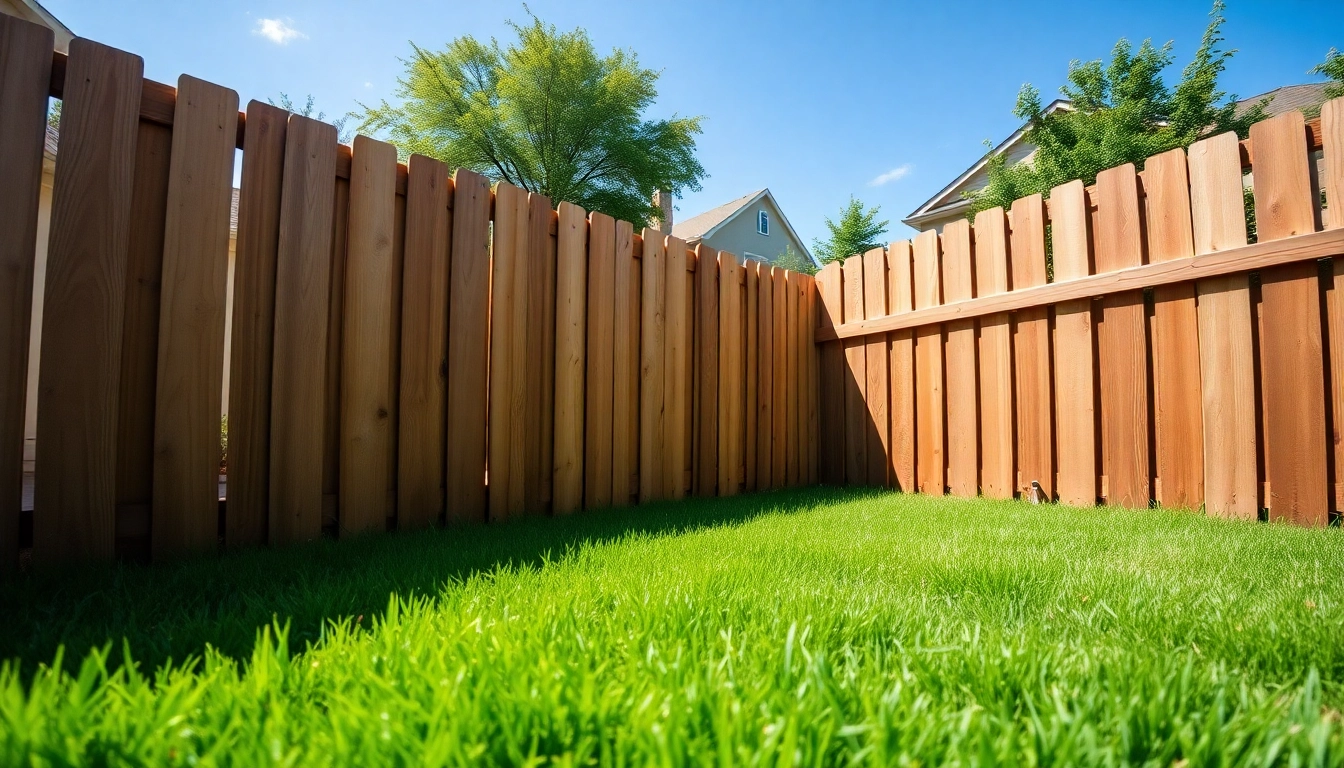
Wooden fences are prone to mold and mildew growth, especially in humid climates. To clean a wood fence, it’s essential to use gentle solutions to avoid damaging the wood. A mixture of water and mild detergent can effectively clean dirt and grime. For tougher stains, consider using oxygen bleach, which is less harsh than traditional bleach and helps preserve the wood’s quality.
Additionally, using a soft-bristle brush ensures that the cleaning process does not scratch or damage the wood, while rinsing with a garden hose helps remove any leftover cleaning solution.
Cleaning Vinyl and Metal Fences
Vinyl fences are generally easy to clean and require less maintenance than wood. A solution of soap and water applied with a sponge or cloth is usually effective. For stubborn stains, it’s possible to use a non-abrasive cleaner, which prevents scratching the vinyl surface.
Metal fences, on the other hand, must be cleaned to avoid rust formation. A soft brush or cloth and a specialized metal cleaner can keep metal surfaces rust-free. In some cases, a pressure washer can effectively clean metal fences, provided it’s used correctly to avoid damage.
Choosing the Right Cleaning Solutions
Choosing the appropriate cleaning solution is critical to effectively cleaning fences without causing harm to the material. For wooden fences, avoid harsh chemicals that could strip the wood of its natural oils. Instead, opt for biodegradable cleaners that are effective yet gentle. For vinyl and metal, a vinegar or mild detergent solution is effective, while specialty cleaners may be necessary for tougher stains.
DIY Fence Cleaning Solutions
Many homeowners prefer DIY solutions for fence cleaning because they are often cost-effective and customizable using household items.
Homemade Cleaners: Effectiveness and Safety
Homemade cleaners can be very effective for fence cleaning. For instance, a simple mixture of vinegar and water can effectively tackle mold and mildew on wooden fences. For tougher stains, combining baking soda with water can create a paste that can be applied directly to grime and left to sit before scrubbing off.
Steps for DIY Fence Cleaning
- Identify the type of fence material.
- Prepare your cleaning solution. For wood, a mix of gentle detergent and warm water works well.
- Apply the solution using a brush or sponge.
- Rinse thoroughly with water to ensure no cleaning residue remains.
- Inspect the fence for any damage or areas needing attention.
Tools and Equipment You’ll Need
To effectively clean your fence, gather the following tools:
- Soft-bristle brushes
- Sponges or cloths
- A bucket for mixing cleaning solutions
- Garden hose or pressure washer (for metal or vinyl fences)
- Safety goggles and gloves if using chemicals
Professional Fence Cleaning Services
While DIY cleaning can be effective, some homeowners may find it more beneficial to hire professional services, especially for larger properties or intricate fencing.
When to Consider Hiring Professionals
If your fence is heavily stained or damaged, a professional service may be best suited to ensure a quality clean without risking further damage. Additionally, if you lack the time or equipment to clean your fence yourself, hiring a service can be a practical solution.
Benefits of Professional Cleaning Over DIY
Professional cleaners often have access to specialized equipment and environmentally safe cleaning solutions that can provide a thorough clean without damaging the fence material. Additionally, they can spot potential issues during the cleaning process and offer solutions that a DIY approach may overlook.
Questions to Ask Before Hiring
When considering professional services, it's important to ask the right questions to ensure you find a reputable contractor:
- What experience do you have with cleaning my type of fence?
- What cleaning products do you use?
- Can you provide references or reviews from previous clients?
- What is included in your service?
- How do you handle any potential damage during cleaning?
Cost of Fence Cleaning Services
Understanding potential costs associated with professional fence cleaning can help homeowners make an informed decision when considering service options.
Factors Influencing Pricing
The cost of fence cleaning can vary based on several factors including the type of fence, the size of the area that needs cleaning, and the level of dirt and staining present. Additional services such as repairs or sealing may also impact the final cost.
Cost Estimates for Different Fence Types
On average, homeowners can expect to pay around $30 to $400 depending on the fence type and size. Wood fences may require more effort, thus increasing the cost, while vinyl fences often have lower cleaning costs due to their durable nature.
Ways to Save on Fence Cleaning
To minimize costs, consider scheduling your cleaning during off-peak seasons when prices may be lower. Additionally, bundling fence cleaning with other outdoor services like landscaping may result in discounts from service providers.
Frequently Asked Questions (FAQs)
1. How often should I clean my fence?
It's recommended to clean your fence at least once a year, with more frequent cleaning if you live in a humid climate or have heavy rainfall.
2. Can I use bleach to clean my wooden fence?
While bleach can be effective, it may damage the wood's integrity. It's better to use oxygen bleach or a mild soap solution to avoid harm.
3. How do I remove tough stains from my fence?
For tough stains, a paste of baking soda and water can be effective. Apply it directly to the stain, let it sit, then scrub and rinse.
4. Are professional cleaning services worth it?
Professional services can be worth it for heavily stained or significant fencing jobs, ensuring a thorough clean without damage.
5. What tools do I need for DIY fence cleaning?
You’ll need soft-bristle brushes, sponges, cleaning solution, a bucket, and optionally a pressure washer for vinyl or metal fences.