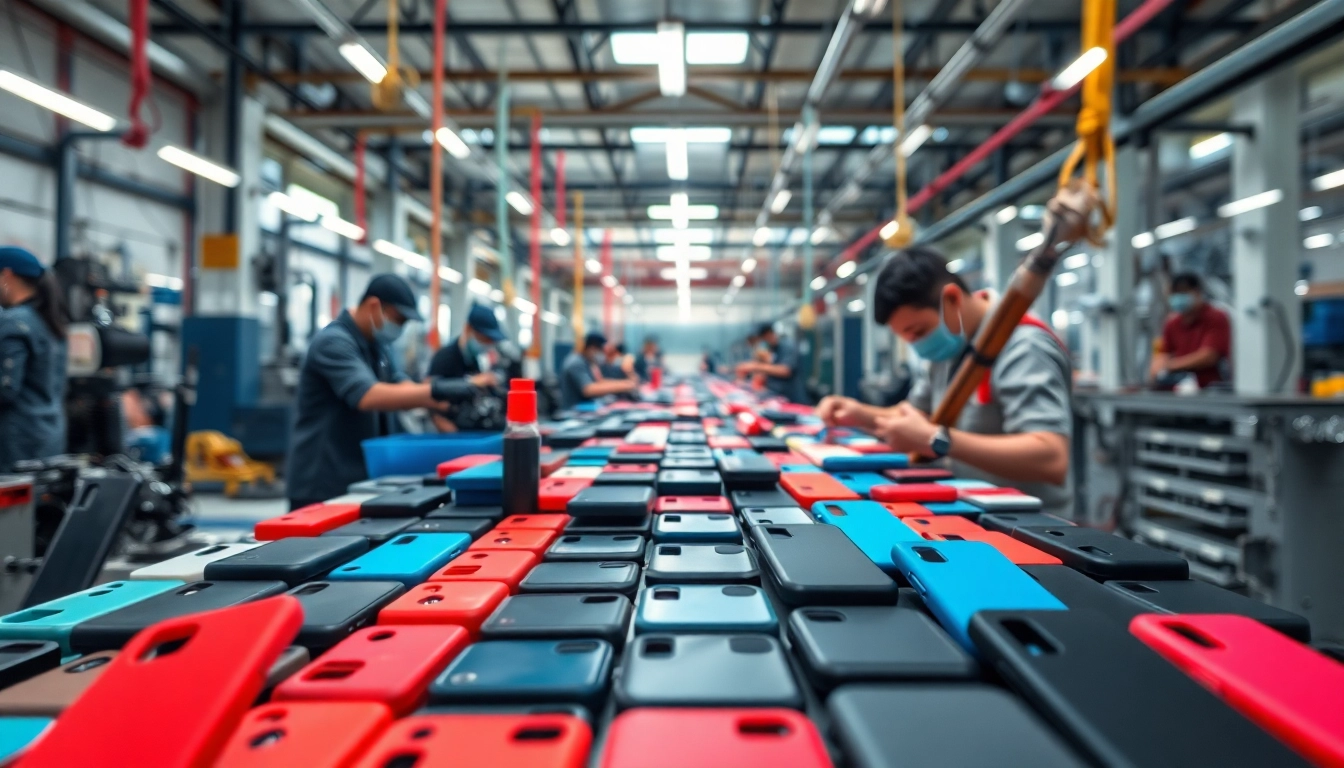
Understanding Cell Phone Case Manufacturing
Overview of Manufacturing Processes
The process of manufacturing cell phone cases involves multiple stages, starting from design to production and quality assurance. Typically, it begins with the creation of prototypes, which are tested for functionality and design. Once a prototype is approved, the production process uses advanced technologies like injection molding or 3D printing depending on the material and design requirements. These techniques ensure precision and consistency in producing large volumes of products, allowing for effective scalability.
The next steps involve the assembly of parts, which may include applying coatings, printing designs, or integrating additional functionalities such as cardholders or kickstands. After assembly, cases go through rigorous quality control checks to confirm that they meet durability and performance standards.
Materials Used in Cell Phone Cases
Materials are crucial in ensuring the durability and functionality of cell phone cases. The most common materials include:
- Polycarbonate: Known for its sturdy yet lightweight properties, polycarbonate is frequently used in hard cases that provide excellent protection against impacts.
- Silicone: This material offers superb shock absorption and is flexible, allowing for easy installation and removal. It's often found in soft cases.
- Thermoplastic polyurethane (TPU): A hybrid material combining the benefits of plastic and rubber, TPU is prized for its resistance to abrasions and its ability to maintain clarity and vibrancy in colors.
- Leather: Often used in premium cases, leather provides a luxurious finish but requires proper care to maintain its appearance.
- Bamboo and other sustainable materials: Growing trends in eco-friendly products have led to the use of biodegradable materials, which appeal to environmentally conscious consumers.
Types of Cell Phone Cases Produced
The diversity of cell phone cases on the market reflects varying consumer preferences and needs. Among the commonly produced types are:
- Hard cases: Offer maximum protection with rigid materials, often targeting users looking for durability.
- Soft cases: Tend to be lighter and provide a snug fit, appealing to those who prefer a minimalist approach.
- Bumper cases: Focus on providing excellent corner protection while leaving the back and front exposed for a sleek look.
- Wallet cases: Combine functionality with style, featuring pockets for cards and cash, making them popular for convenience.
- Custom cases: Allow consumers to personalize their cases with unique graphics or designs, catering to individual tastes.
The Importance of Quality in Cell Phone Case Factory
Quality Control Measures
Quality control in a cell phone case factory is essential to ensure that products meet industry standards and consumer expectations. Factories typically implement quality assurance protocols at every stage of production, from raw material inspection to final product testing. Advanced techniques like automated inspections, sample testing, and compliance with international quality standards help maintain consistency and reliability in the end product.
Moreover, feedback loops are often established, allowing manufacturers to incorporate end-user feedback for continuous improvement. This systematic approach not only reduces waste but also enhances customer satisfaction.
Impact Resistance Standards
Given the crucial role of mobile devices in daily life, ensuring that cell phone cases withstand drops and impacts is critical. Various industry standards, such as those set by Underwriters Laboratories (UL) or the American Society for Testing and Materials (ASTM), provide benchmarks for protective gear. Manufacturers often conduct drop tests that simulate real-world conditions, confirming that their cases can protect devices against varying heights and angles.
Additionally, some brands have begun to highlight specific impact protection ratings in their marketing, further educating consumers about the level of safety their products provide.
Customer Feedback and Adaptation
Customer feedback is a valuable tool in the cell phone case manufacturing process. Many companies employ surveys and focus groups to gather insights regarding product functionality and design preferences. Adaptation based on this feedback not only aids in improving existing products but also guides the development of new ones that align better with market demands.
Furthermore, social media platforms enable manufacturers to interact directly with consumers, fostering a sense of community and loyalty. Implementing changes prompted by customer suggestions can significantly boost competitive advantage.
Design Trends in the Cell Phone Case Industry
Popular Aesthetic Designs
Aesthetic appeal plays a significant role in the marketability of cell phone cases. Current trends include:
- Minimalist designs: Clean lines and understated features attract consumers looking for simplicity.
- Bold prints and patterns: Floral, geometric, and abstract designs appeal to younger demographics.
- Transparency and customization: Cases that allow for inner design visibility on clear cases or custom-printed options enable user expression.
Functionality Versus Style
As consumers become more discerning, the balance between functionality and style is more vital than ever. Many manufacturers now focus on creating cases that provide protection while incorporating stylish elements. For example, multi-functional cases that combine a wallet feature with aesthetic designs are increasingly prevalent.
Additionally, designed cases that include extra features like kickstands or magnetic surfaces for mounting purposes have gained favor among users who value enhanced usability. This trend indicates that manufacturers must strike a balance between visual appeal and practical functionality.
Customization Options Available
Customization has become a hallmark in the cell phone case industry, catering to consumers' desires for personalized products. Companies now offer options that allow customers to choose materials, colors, patterns, and even engrave names or logos. This degree of personalization adds sentimental value and enables users to express individuality.
Many brands have leveraged online design tools where customers can visualize their customizations before purchase, enhancing the buying experience. This not only encourages consumer engagement but also drives sales by creating a unique product offering.
Sustainable Practices in Cell Phone Case Manufacturing
Use of Eco-Friendly Materials
The need for sustainability has entered the cell phone case manufacturing industry, leading to the incorporation of eco-friendly materials such as recycled plastics, bamboo, and plant-based polymers. Using biodegradable materials has gained traction, providing consumers with options that minimize environmental impact.
Moreover, many companies are adopting eco-conscious packaging methods, using recyclable or compostable materials that further reduce their ecological footprint. This shift not only caters to environmentally aware consumers but often aligns with regulations aiming to reduce plastic waste.
Reducing Production Waste
Efficient manufacturing practices that focus on waste reduction are paramount in the cell phone case industry. Companies are implementing lean manufacturing principles to minimize excess and promote resource optimization. For instance, precise cutting techniques reduce the leftover material that would otherwise go to waste.
Additionally, many factories recycle scrap materials to produce new cases, creating a circular economy within manufacturing. This not only supports sustainability efforts but also reduces operation costs over time.
Lifecycle of a Phone Case
Understanding the lifecycle of a phone case offers insights into its environmental impact. This includes design, manufacturing, usage, and disposal stages. Awareness of this lifecycle prompts manufacturers to consider sustainability at every phase.
For example, modular designs can enhance a case's lifespan by allowing users to replace only worn-out parts rather than discarding the entire product. Such practices reduce waste and contribute to sustainable habits among consumers.
Future of the Cell Phone Case Factory
Technological Innovations
The future of cell phone case manufacturing is heavily influenced by technological advancements. Innovations in materials, such as impact-resistant composites or self-healing polymers, promise improved durability and protection. Furthermore, 3D printing technology enables rapid prototyping and manufacturing, allowing for highly customized options in shorter timeframes.
Additionally, integrating smart technology into cases, such as wireless charging capabilities or built-in sensors, is expected to become commonplace. These innovations push the boundaries of what consumers can expect from their phone cases.
Market Trends and Predictions
As consumer preferences shift, several market predictions can be made about the future of cell phone case manufacturing. The demand for eco-friendly products will likely continue to rise, pushing manufacturers to innovate sustainably.
Furthermore, a trend toward more multi-functional products will increase as consumers seek to reduce clutter and maximize utility. Customization and personalization will remain significant driving factors in purchasing decisions, indicating that adaptability in product offerings will be crucial for future success.
Expanding Global Markets
Global market expansions are becoming a focal point in cell phone case manufacturing. Developing countries show increasing smartphone adoption, leading to higher demands for protective accessories. Manufacturers targeting emerging markets need to consider local preferences, price sensitivity, and distribution challenges for effective entry strategies.
Adaptability will be key in meeting demands, including variations in case types, price points, and aesthetic preferences. Understanding regional markets can enhance a company's competitive edge in the growing global landscape.
FAQs about Cell Phone Case Manufacturing
What materials are commonly used for phone cases?
Phone cases are typically made from materials like polycarbonate, silicone, and TPU. Eco-friendly options are also emerging, including biodegradable and recycled materials.
How is quality controlled in manufacturing?
Quality control includes inspecting raw materials, conducting drop tests for durability, and implementing feedback loops to ensure products meet industry standards.
What are the current design trends for cell phone cases?
Current trends focus on minimalist designs, bold prints, and customizable options. Functionality alongside aesthetic appeal is becoming increasingly essential.
Are eco-friendly phone cases available?
Yes, many manufacturers produce eco-friendly phone cases made from sustainable materials such as plant-based plastics that biodegrade over time.
What technological innovations are shaping future cases?
Innovations include advanced materials, 3D printing for customization, and smart features like wireless charging capabilities. These enhance durability and usability.