Understanding the Loyalty Program Landscape in 2026
As consumer behavior evolves and marketplaces become increasingly competitive, small businesses are adapting by incorporating loyalty programs into their marketing strategies. In 2026, the landscape of loyalty program continues to shift, necessitating that businesses leverage technology to engage customers effectively and enhance retention. With the rise of digital solutions, businesses can now utilize innovative tools to create seamless experiences that encourage repeat visits and foster brand loyalty.
What is a Loyalty Program and How Does It Work?
A loyalty program is a structured marketing strategy designed to encourage customers to continue engaging with a brand by offering rewards or incentives for their repeat business. These systems are built on the premise that rewarding customers for their loyalty increases the likelihood of repeat purchases. Typically, customers earn points or rewards based on their spending habits or the frequency of their visits. For instance, a café might offer points for every dollar spent or create a stamp card where customers receive a free drink after collecting ten stamps. The effectiveness of these programs lies in their ability to tap into human psychology—consumers love feeling appreciated and valued.
Types of Loyalty Programs for Small Businesses
- Points-Based Systems: Customers earn points for every purchase, which can later be redeemed for rewards.
- Cashback Programs: Customers receive a percentage of their spending back as store credit.
- Stamp Cards: Customers collect stamps for each visit or purchase, ultimately receiving a reward after a set number of stamps are collected.
- Tiered Membership: Customers are categorized into different levels based on their spending, with higher tiers receiving better rewards.
- Referral Programs: Customers earn rewards for referring friends to the business, thus expanding the customer base.
Importance of Customer Engagement in Loyalty Programs
Customer engagement is at the heart of a successful loyalty program. Engaged customers are not only more likely to make repeat purchases, but they also share their experiences with others, enhancing brand visibility and credibility. Utilizing tools such as personalized marketing, targeted promotions, and feedback requests can significantly boost customer engagement. For instance, sending personalized emails on customers’ birthdays with exclusive offers can foster a sense of belonging and appreciation. The more personalized the experience, the stronger the connection between the customer and the brand.
Benefits of Implementing a Loyalty Program
The advantages of a well-structured loyalty program are manifold, especially for small businesses that are competing against larger entities. A properly designed program can transform occasional customers into regulars, resulting in a stable income stream.
How Loyalty Programs Increase Customer Retention
Customer retention is crucial for any small business. A loyalty program encourages repeat visits by rewarding customers for their continued patronage. Research shows that acquiring a new customer can cost five times more than retaining an existing one. By keeping customers coming back, businesses can reduce marketing costs and increase overall profitability.
Enhancing Customer Experience Through Personalized Rewards
Today's consumers appreciate personalized experiences. Companies that offer tailored rewards based on past purchasing behavior or preferences can enhance customer satisfaction. For instance, a fitness studio might offer class credits to a regular attendee or a restaurant could provide a complimentary dessert to customers who consistently order certain meals. Such personalized attention not only improves the customer experience but also fosters loyalty and increases the likelihood of referrals.
Impact on Revenue Growth and Sales
Implementing a loyalty program can lead to significant revenue growth for small businesses. Customers who participate in loyalty programs tend to spend more than those who do not. This is largely due to the enticing offers and incentives that encourage customers to purchase more frequently or in larger quantities. As a result, businesses can expect an increase in average transaction value as well as higher overall sales.
Choosing the Right Loyalty Program Structure
Choosing the correct structure for a loyalty program is foundational to its effectiveness. The options can be overwhelming, but understanding customer preferences and business goals will guide this decision.
Points-Based vs. Cashback vs. Stamp Cards
Different structures serve different purposes. Points-based systems are great for frequent spenders, while cashback programs might appeal to customers looking for value. Stamp cards are often easy to understand and implement, making them suitable for small businesses. Evaluating the target audience and their spending behaviors can help determine which system will resonate most effectively with customers.
Evaluating Customer Preferences and Business Needs
Understanding the preferences of your customer base is key to developing a successful loyalty program. Surveys, feedback forms, and customer analytics can provide valuable insights. For instance, if customers show a strong desire for instant rewards, a cashback system may be ideal. Conversely, if customers enjoy collecting points toward a larger perk, a points-based loyalty program may be more effective.
Common Mistakes to Avoid When Setting Up
Businesses must navigate various pitfalls when designing a loyalty program. Common mistakes include making the program too complicated, failing to promote it effectively, or not aligning it with customer preferences. Ensuring that the program is simple to understand, well-promoted, and tailored to meet customer needs can prevent these issues and help the program thrive.
Case Studies: Successful Loyalty Programs in Retail
Examining successful loyalty programs provides insights into effective strategies that can be implemented across various small businesses.
Innovative Strategies from Leading Small Businesses
Many small businesses have adopted creative strategies to enhance their loyalty programs. For example, a local bakery introduced a “Loyalty Card” that rewards customers with a free pastry every fifth visit. This simple yet effective strategy directly boosted customer retention, smiling faces, and repeat business.
Measuring Success: Key Performance Indicators
To ensure that a loyalty program is working as intended, it’s essential to monitor key performance indicators (KPIs). Metrics such as customer retention rate, the frequency of visits, and average revenue per customer can provide data-driven insights into the program’s performance. Regularly analyzing these metrics allows businesses to make adjustments that enhance customer experiences and drive greater results.
Lessons Learned from Failed Programs
Not all loyalty programs succeed, and analyzing failures can yield valuable lessons. One common reason for failure is lack of customer awareness. A business might introduce an excellent program, but if customers are not aware of it, participation will dwindle. This highlights the importance of effective marketing and communication strategies. Continuous engagement with customers is essential to keep them informed and motivated to participate.
The Future of Loyalty Programs beyond 2026
As technology continues to evolve, so too will the landscape of loyalty programs. Keeping up with emerging trends is vital for small businesses looking to maintain a competitive edge.
Emerging Trends and Technologies
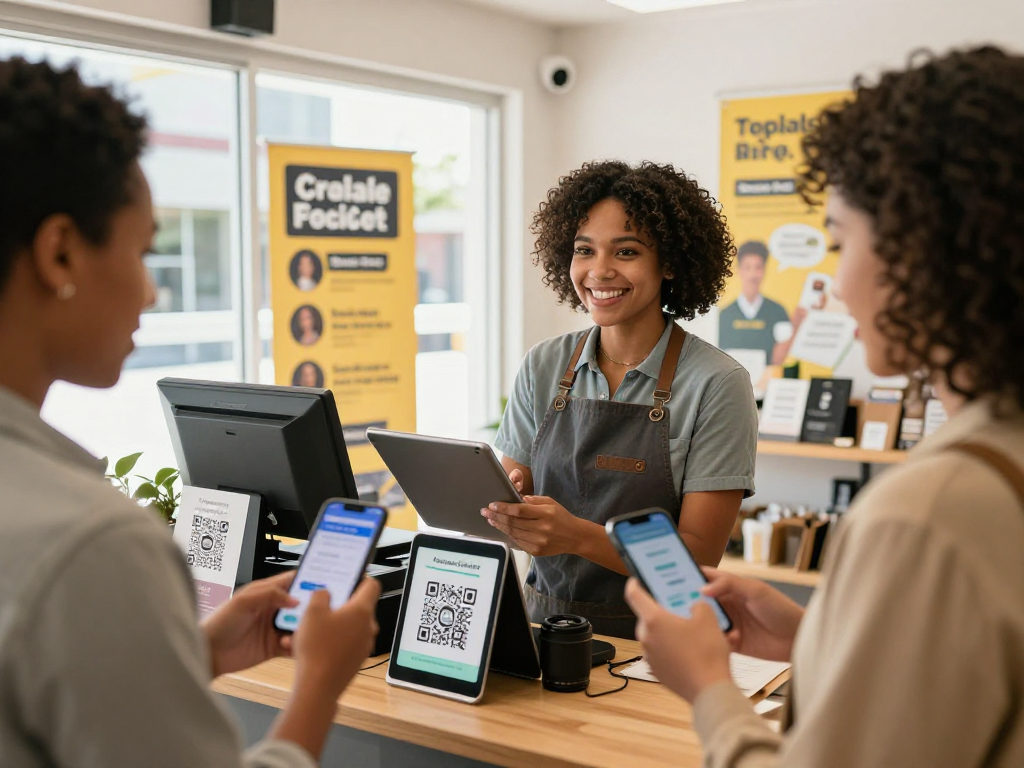
Advancements in technology are reshaping how loyalty programs operate. For example, artificial intelligence can be utilized to predict customer preferences, enabling highly personalized marketing strategies. Additionally, mobile wallets and apps are streamlining the process of points collection and rewards redemption.
How to Adapt Your Loyalty Program Strategy
Small businesses should remain flexible and willing to adapt their loyalty program strategies in response to changing consumer behaviors and preferences. Integrating new technologies, such as app-based loyalty programs, allows businesses to stay relevant and meet customer expectations effectively.
Preparing for Changing Consumer Behavior
Consumer behaviors are changing rapidly, driven by technological innovation and shifting economic conditions. Small businesses must be vigilant in understanding these changes and ready to pivot their loyalty programs accordingly. For example, sustainability and ethical consumption are becoming more important to consumers, and loyalty programs that incorporate these values can resonate better with conscious shoppers.
What are the most effective loyalty programs for small businesses?
To determine the effectiveness of a loyalty program, small businesses should consider what resonates most with their customers. Programs that combine rewards for spending, referrals, and regular engagement typically yield strong results.
How do I promote my loyalty program to customers?
Effective promotion can make or break a loyalty program. Utilize social media, email newsletters, and in-store signage to ensure that customers are aware of the program and understand its benefits. Engaging visuals and clear messaging can also help capture attention and increase participation.
What budget should I allocate for a loyalty program?
The budget for a loyalty program can vary widely based on the business's size and structure. It’s essential to consider both setup costs and ongoing expenses, such as marketing and rewards. Allocating a portion of revenue from new sales to support the program can ensure its sustainability.
How can I measure the success of my loyalty program?
Regularly analyzing metrics such as customer retention rates, program participation rates, and overall sales growth provides insights into the program’s performance. For more information, loyalty program offers valuable insights. Feedback from customers can also guide adjustments that improve effectiveness.
What are the privacy concerns with loyalty programs?
Privacy is a growing concern among consumers, particularly regarding data collection and usage. Small businesses should ensure compliance with data protection regulations and communicate transparently about how customer data is collected and used to build trust and foster loyalty.