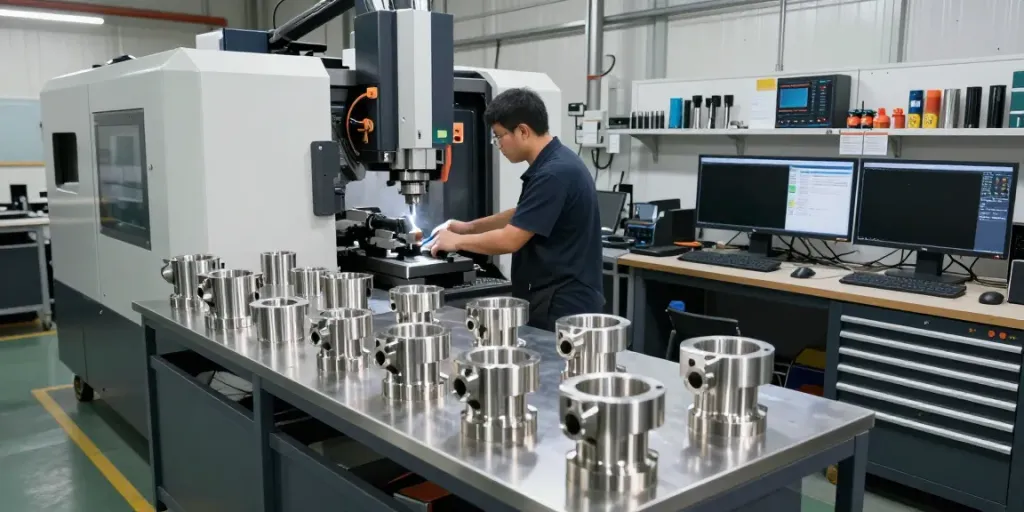
Understanding Plant 3D Spools Generation
In the world of industrial design and engineering, spools play a crucial role in the organization and management of piping systems. Specifically, the Plant 3D spools generation process allows for the creation of precise spool drawings that are essential for fabrication and installation. This article will delve into the essential elements of spool generation using Plant 3D, highlighting its importance, capabilities, and best practices.
What Are Spools?
Spools are pre-fabricated sections of piping that include all necessary components, such as pipes, fittings, and valves. They are designed off-site and then transported to the installation location, which streamlines the construction process. By creating spools, engineers and fabricators can significantly reduce on-site labor, minimize errors, and ensure a higher degree of precision. This approach not only improves project timelines but also enhances overall safety during installations.
Importance of Spools in Industrial Design
Spools are vital for several reasons:
- Efficiency: Spool fabrication allows for parallel work schedules, reducing the overall project time.
- Quality Control: Pre-assembled spools can be inspected and tested in a controlled environment, minimizing the risk of defects.
- Cost-Effectiveness: Reducing material waste and labor costs boosts the economic viability of projects.
- Safety: Pre-fabricated spools improve safety by reducing on-site cutting and welding work.
Overview of Plant 3D Software Capabilities
Autodesk's Plant 3D software is a powerful tool for design and documentation in the plant industry. Among its numerous features is the capability for spool generation. This functionality allows users to automate the process of creating spool drawings from their piping models. With comprehensive libraries of standard components and smart automation tools, Plant 3D helps ensure that spool generation is not only accurate but also adheres to industry standards.
Setting Up for Successful Spool Generation
Necessary Software Requirements
To effectively utilize Plant 3D for spool generation, ensure that your system meets these software requirements:
- Operating System: Windows 10 or higher.
- AutoCAD Version: Ensure you are familiar with the specific version of Plant 3D you are using, as features may vary.
- System Resources: A robust CPU, ample RAM (8 GB minimum), and sufficient graphics capabilities are recommended for optimal performance.
Configuration Settings for Spools
Proper configuration is key to successful spool generation. Users should adjust settings related to spool naming, numbering methods, and component libraries. Individuals should refer to the documentation provided with Plant 3D to set up a configuration that matches their workflows.
Preparing Your Project Environment
Before beginning the spool generation process, it's essential to prepare your project environment. This includes setting up templates, ensuring that your drawing scale is appropriate, and organizing component libraries. Consider standardizing your templates to streamline the process for future projects.
Best Practices for Efficient Spool Generation
Standardization in Spool Design
Implementing standardization is a significant step towards efficiency. By establishing guidelines for spool dimensions, materials, and labeling, teams can enhance communication and reduce errors. This process involves creating a library of standard components and established design practices, which can be utilized across different projects.
Common Issues and Their Solutions
Throughout the spool generation process, users may encounter various challenges, including:
- Incorrect Spool Numbering: Ensure that the naming convention is set up correctly within the configuration settings. If issues persist, recheck your numbering scheme.
- Design Changes: Handle changes systematically by integrating an update process for existing spools, ensuring that all stakeholders are aware of modifications.
- Collaboration Barriers: Utilize collaboration tools within Plant 3D to share real-time updates with your team to mitigate miscommunications.
Leveraging Automation Tools
Plant 3D includes a variety of automation tools that can significantly speed up the spool generation process. Familiarize yourself with features like bulk property assignment, which allows for rapid adjustments across multiple spools, and automated drawing generation, which reduces manual intervention.
Advanced Techniques in Plant 3D Spools Generation
Integrating Flange Data for Enhanced Spools
Incorporating flange data into spool designs can improve accuracy and ensure compatibility with associated fittings. Utilizing built-in databases can streamline this process, allowing users to select appropriate flange types and sizes based on system requirements.
Using Isometric Drawings for Accuracy
Isometric drawings serve as an effective tool for visualizing spool connections and components. By ensuring that your isometric settings are correctly configured in Plant 3D, you can enhance the accuracy of your drawings and prevent costly fabrication errors.
Customizing Spool Tagging for Better Reference
Customized tagging on spools not only aids in identification but also ensures clarity during installation. Implement consistent tagging standards to promote better organization and quicker reference during fieldwork.
Measuring Success: Metrics to Track
Evaluating Spool Generation Efficiency
The efficiency of your spool generation process can be tracked through various metrics, including:
- Time Savings: Measure the time taken for spool generation against past projects to evaluate improvement.
- Error Rates: Keep track of errors encountered during the manufacturing or installation process to highlight potential areas of concern.
- Material Waste: Analyze the amount of material wasted during fabrication to identify trends and areas for improvement.
Feedback and Iteration Processes
Solicit feedback from team members involved in all stages of the spool generation process. Use this feedback to iterate on your methods and configurations, refining your approach based on real-world experiences and challenges encountered.
Future-Proofing Your Spool Generation Strategies
Preparing for future projects means staying updated with technological advancements and industry standards. Continuously educate your team on the latest features of Plant 3D and best practices in spool generation to remain competitive and efficient.
Frequently Asked Questions (FAQs)
What is spool generation in Plant 3D?
Spool generation in Plant 3D refers to the automated creation of detailed spool drawings from piping designs, facilitating off-site fabrication and installation.
Why are spools essential for industrial projects?
Spools reduce on-site labor, improve quality control, minimize errors, and save costs by allowing pre-fabrication in a controlled environment.
How can I troubleshoot spool numbering issues?
Ensure that your spool naming conventions are correctly configured in Plant 3D settings and revise any existing spools to align with new conventions if needed.
What metrics signify efficient spool generation?
Key metrics include time savings compared to previous projects, tracking error rates during manufacturing, and analyzing material waste during fabrication.
How do advanced techniques improve spool designs?
Techniques like integrating flange data and using isometric drawings enhance accuracy, foster better collaboration, and refine tagging standards for improved identification.