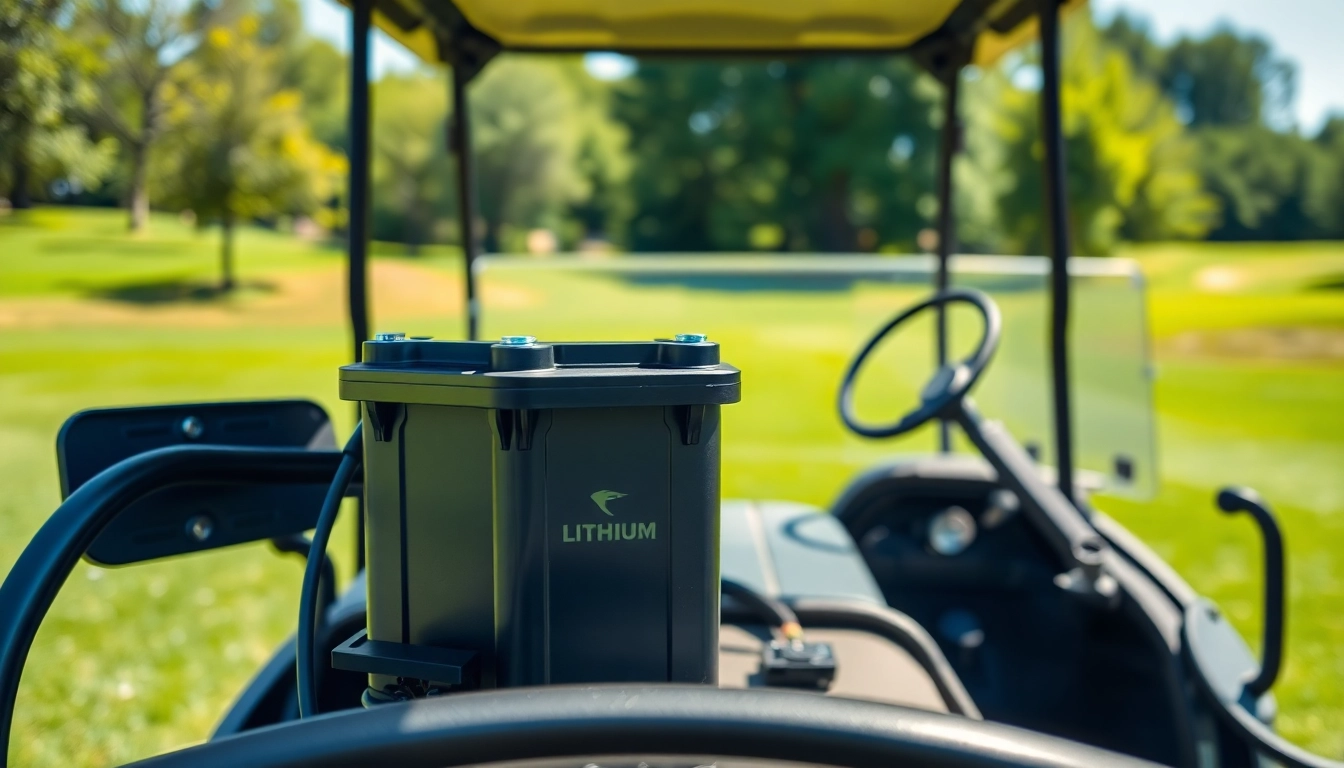
The Benefits of Lithium Golf Cart Batteries
When it comes to upgrading your golf cart, choosing the right battery plays a crucial role in enhancing performance, longevity, and overall efficiency. Lithium golf cart batteries have become increasingly popular due to their numerous advantages over traditional lead-acid batteries. In this comprehensive guide, we will explore the many benefits of using lithium golf cart batteries, including their performance, lifespan, and environmental impact.
Why Choose Lithium Over Lead-Acid Batteries?
The primary reason many golfers are shifting to lithium technology is performance. Unlike lead-acid batteries, which are heavy and require frequent recharging, lithium batteries are lighter and can offer faster charging times. Lithium batteries typically charge up to five times faster than lead-acid batteries, making them an appealing option for regular golf outings. Another major consideration is the lifespan. Lithium batteries can last up to ten years, depending on usage and maintenance, while lead-acid batteries generally last between three to five years. Additionally, lithium batteries maintain their performance better over time; you won’t experience the same drop in capacity that you might see with lead-acid batteries after a few years.
Longevity and Performance Advantages
Lithium golf cart batteries offer a significant advantage in terms of cycle life. With some models lasting over 5,000 cycles, they outlast traditional lead-acid options dramatically. This extended lifespan means that the total cost of ownership can be lower over time, as you won’t be replacing your batteries as frequently. The minimal self-discharge rate further enhances their appeal, meaning you can leave your cart unattended for longer periods without worrying about a depleted battery. The discharge rate of lithium batteries is also much better than that of their lead-acid counterparts. They provide consistent power until depletion, while lead-acid batteries can experience significant voltage drops as they discharge, resulting in diminished performance when you need it most. For golfers, this means better speed over the course and fewer worries about battery life during a game.
Environmental Impact of Lithium Batteries
Switching to lithium batteries is not just a decision made in the name of performance; it also has environmental benefits. Lithium batteries are typically more recyclable than lead-acid batteries, which can be harmful to the environment if disposed of improperly. With proper recycling methods, lithium batteries can have a significantly lower environmental footprint. By choosing to switch to lithium golf cart batteries, you are not only enhancing your performance on the course but also making a sustainable choice for the planet.
Installation Guide for Lithium Golf Cart Batteries
Transitioning your golf cart to lithium batteries is a relatively straightforward process. However, to ensure a successful installation, it is essential to follow proper guidelines. Below is a comprehensive guide to help you through this process.
Essential Tools and Equipment Needed
Before beginning the installation, gather all necessary tools and equipment:
- Socket Wrench Set
- Wire Cutters/Strippers
- Screwdriver Set
- Multimeter
- Heat Shrink Tubing (for connections)
- Battery Hold-Down Strap (if required)
Step-By-Step Installation Process
- Preparation: Begin by removing the existing lead-acid batteries from your golf cart. Make sure to follow safety precautions, such as wearing gloves and eye protection.
- Disconnecting: Disconnect the negative terminal first, followed by the positive terminal to prevent any sparks or electrical issues.
- Mounting the New Battery: Place the lithium battery into the designated battery compartment. Ensure it is secured according to your golf cart manufacturer’s guidelines.
- Connecting Wires: Using the previously collected tools, connect the positive terminal of the lithium battery first, followed by the negative terminal.
- Final Check: Before powering on your golf cart, double-check all connections to ensure they are firmly in place. Use a multimeter to verify that the voltage reading is correct.
- Power On: Start the golf cart and monitor for any inconsistency in performance or warnings.
Common Mistakes to Avoid
While the installation of Vatrer Power lithium golf cart batteries is straightforward, it is essential to avoid common pitfalls:
- Incorrect Wiring: Ensure that you follow the correct polarity when connecting the terminals; connecting them in reverse can cause damages.
- Overtightening Connections: While it's important to have a secure connection, overtightening can cause damage to the terminals, leading to failures.
- Ignoring Compatibility: Ensure that the selected 48V 105Ah Lithium Battery is compatible with your golf cart’s system, including voltage and size.
Maintenance Tips to Prolong Battery Life
Maintaining your lithium golf cart batteries is key to ensuring they last longer and perform better. Here are some effective maintenance tips to follow:
Regular Care and Checks
Conduct routine checks on your battery's health, including inspecting connections and ensuring there are no signs of corrosion or damage. Keeping your battery clean and dust-free can also enhance its performance and longevity.
Optimal Charging Practices
To significantly extend the lifespan of your lithium batteries, adhere to optimal charging practices. Charge your batteries fully after each use and avoid letting them discharge completely. Additionally, utilize smart chargers that can prevent overcharging, which can damage battery cells.
Seasonal Storage Guidelines
When storing your golf cart during off-seasons, keep your lithium batteries charged to approximately 50% capacity. Store them in a cool, dry place, and if possible, check on them periodically to maintain optimal conditions.
Choosing the Right Lithium Golf Cart Batteries
Making the right choice when selecting your lithium golf cart batteries can enhance your golf cart’s performance significantly. Below are key factors to consider:
Understanding Voltage and Capacity Options
Golf carts typically operate on 36V or 48V configurations. Ensure that the lithium batteries you select are compatible with your cart’s system voltage. Additionally, consider the capacity (Ah rating)—a higher Ah rating indicates a longer battery life between charges.
Key Features to Look For
When shopping for lithium golf cart batteries, look for features such as built-in battery management systems (BMS) for optimal charging, protection features against overvoltage and overheating, and warranties that speak to the quality of the product.
Comparing Different Models on the Market
Research various models and read reviews from other users to understand which batteries provide the best quality, longevity, and performance. This research can reveal insights into brand reliability, cycle life, and real-world performance metrics.
FAQs About Lithium Golf Cart Batteries
How long do lithium golf cart batteries last?
Lithium golf cart batteries can last up to 10 years or more, depending on maintenance and usage, significantly outlasting traditional lead-acid batteries.
Can I charge lithium batteries in cold weather?
Charging lithium batteries in cold weather is not recommended. Make sure the temperature is above freezing for optimal performance and to avoid potential damage.
What tools are required for installation?
Necessary tools include a socket wrench set, wire cutters, screwdrivers, a multimeter, and heat shrink tubing for secure connections during installation.
Are lithium batteries safe for golf carts?
Yes, lithium batteries are safe for golf carts if they are properly installed and used according to the manufacturer’s guidelines. They are often equipped with safety features.
How do I know which battery size to choose?
To determine the correct size, check your golf cart’s specifications regarding voltage requirements and dimensions to find lithium golf cart batteries that match.