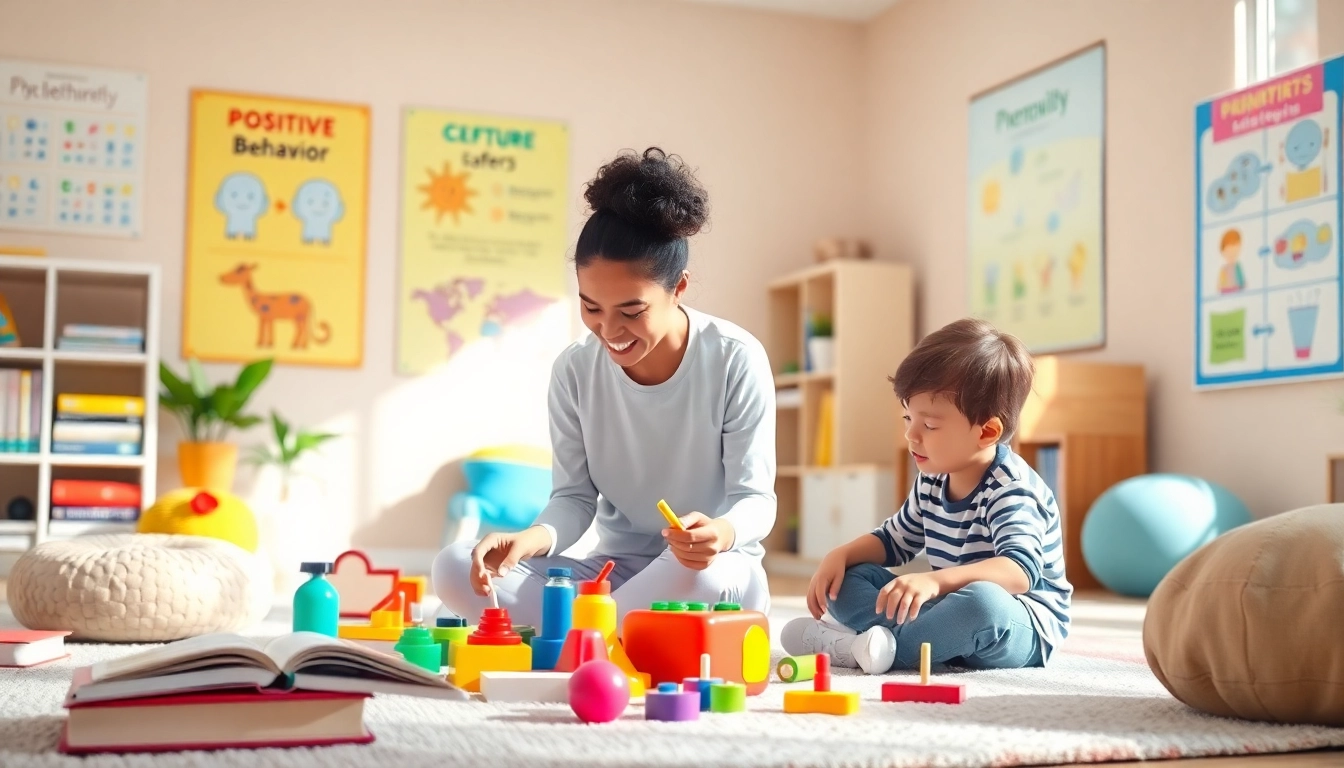
What is ABA Therapy for Kids?
Definition and Overview
Applied Behavior Analysis (ABA) therapy is a scientifically validated method of therapy aimed at improving specific behaviors in children, particularly those with Autism Spectrum Disorders (ASD). ABA is rooted in the principles of behaviorism, utilizing various techniques to encourage positive behaviors while discouraging negative ones. The methodology is data-driven, allowing therapists to track progress and make necessary adjustments to interventions as needed. Defined by a focus on observable behaviors rather than unobservable phenomena like thoughts or feelings, ABA therapy offers a concrete way of enhancing the lives of children and helping them develop skills that promote independence and success. For detailed information on this therapeutic approach, explore ABA therapy for kids.
Key Principles of ABA
The core principles of ABA include reinforcement, punishment, and the principle of behavioral shaping. Reinforcement involves providing positive feedback or rewards following a desired behavior, effectively increasing the likelihood that the behavior will occur again. This can be used to reinforce everything from social skills to academic performance. Punishment, on the other hand, involves applying a negative consequence to diminish undesirable behaviors. It's crucial that the approaches used are ethically sound and favor growth and learning over punitive measures.
Behavior shaping involves progressively reinforcing closer approximations to a desired behavior. This approach allows children to gradually develop new skills, making it a fundamental concept in ABA therapy, particularly for children who may need extra support in learning complex behaviors.
Importance in Child Development
ABA therapy plays a pivotal role in the development of children with ASD and other behavioral challenges. By providing structured intervention and support, it assists children in learning essential life skills, such as communication, social interactions, and self-care tasks. Such skills are fundamental for academic success and personal development, contributing to improved self-efficacy and quality of life.
How ABA Therapy for Kids Works
Assessment and Goal Setting
The initial step in ABA therapy is comprehensive assessment. This involves observing the child’s current skill level and behavior, collecting data on various interactions, and discussing family goals. Based on this assessment, therapists will collaborate with families to develop personalized, measurable goals tailored to the child's specific needs. These goals often address improvements in social skills, communication abilities, and challenging behaviors, ensuring that therapy is focused and effective.
Behavioral Interventions
Behavioral interventions in ABA therapy vary widely but are primarily directed toward skill acquisition and behavior modification. Common interventions include Discrete Trial Training (DTT), which breaks learning down into small, manageable tasks, and Natural Environment Teaching (NET), which utilizes real-life situations to encourage behavior. Additionally, positive reinforcement strategies remain central, as they provide motivation and support to help children meet their goals.
Monitoring Progress and Adaptation
Progress monitoring is vital in ABA therapy. Therapists regularly collect data on the child's behavior and skill acquisition to evaluate the effectiveness of the interventions being employed. This data-driven approach enables therapists to adapt methods and strategies based on how well the child is meeting their goals. Regular reviews allow for modifications to be made to ensure that the treatment is effective and remains aligned with the child's evolving needs.
Benefits of ABA Therapy for Kids
Improved Communication Skills
One of the primary benefits of ABA therapy is the enhancement of communication skills among children. Through targeted interventions, children learn to express themselves more clearly, whether verbally or non-verbally. Techniques such as modeling language and using visual schedules can support those with limited verbal abilities in navigating social scenarios, fostering independence in communication.
Social Skills Development
ABA therapy facilitates the improvement of social skills, allowing children to better navigate interactions with peers and adults. Through role-playing, social stories, and structured play sessions, children gain practice in turn-taking, sharing, and understanding social cues. These skills are crucial, as they provide the foundations for building friendships and effective communication throughout life.
Enhanced Learning Abilities
Another significant benefit of ABA therapy is its impact on overall learning capabilities. By employing structured teaching methods, children often show considerable improvement in academic skills as well as adaptive behavior. The interventions are designed to support various learning styles, ensuring that each child's unique learning needs are met with effective strategies.
Implementing ABA Therapy for Kids at Home
Creating a Supportive Environment
To maximize the benefits of ABA therapy, it is essential to create a supportive and structured home environment. This may involve setting aside specific areas for learning with minimal distractions, using visual aids to assist understanding, and maintaining a consistent routine. A predictable environment can significantly reduce anxiety and improve focus for children undergoing ABA therapy.
Parental Involvement Techniques
Parental involvement is crucial in reinforcing the skills learned during ABA therapy. Parents can engage in training sessions to better understand techniques and strategies employed by therapists. This knowledge enables parents to continue therapy practices at home, using reinforcement techniques and tailored communication strategies to support their child's development.
Effective Communication Strategies
Effective communication is at the heart of ABA therapy. Parents should strive to use clear, concise language and encourage their child to communicate effectively, whether through words, gestures, or assistive devices. Regularly incorporating communication into everyday activities can significantly enhance a child's ability to express their needs and desires.
FAQs About ABA Therapy for Kids
What age is best for starting ABA therapy?
ABA therapy can be effective for children as young as two years old. Early intervention can lead to better outcomes.
How long does ABA therapy take to show results?
Results can vary. Many families observe improvements within a few months, but consistent therapy over time yields the best results.
Is ABA therapy suitable for all children?
While ABA is effective for many children, particularly those with Autism Spectrum Disorders, the approach can be tailored for various needs.
Are there any drawbacks to ABA therapy?
Some children may initially resist the structure of ABA therapy. However, many find it beneficial as they adapt over time.
Can ABA therapy be done remotely?
Yes, many therapists now offer remote sessions, making ABA therapy accessible and effective across different settings.
Contact Information
Call Us: +1 248-308-5966Email: [email protected]Address: Novi, MI, United States, 48375