Understanding Wastewater Treatment Systems
In today’s rapidly industrializing world, effective wastewater management is crucial for protecting public health and the environment. Wastewater treatment systems play a vital role in this process, converting harmful effluents into safe, reusable water. With advances in technology, manufacturers are now able to provide highly efficient, containerized solutions that allow for the rapid treatment of various types of wastewater. When exploring options, Wastewater Treatment System Manufacturers offer comprehensive insights into the best systems available on the market.
What is a Wastewater Treatment System?
A wastewater treatment system comprises a series of processes designed to remove contaminants from wastewater produced by households, industries, and businesses. The fundamental objective of these systems is to reduce pollutants to acceptable levels, thereby mitigating their potential impact on the environment and human health. Typically, these systems can handle various effluents, including domestic sewage and industrial discharge, necessitating different treatment methods depending on the wastewater type.
Key Components of Containerized Systems
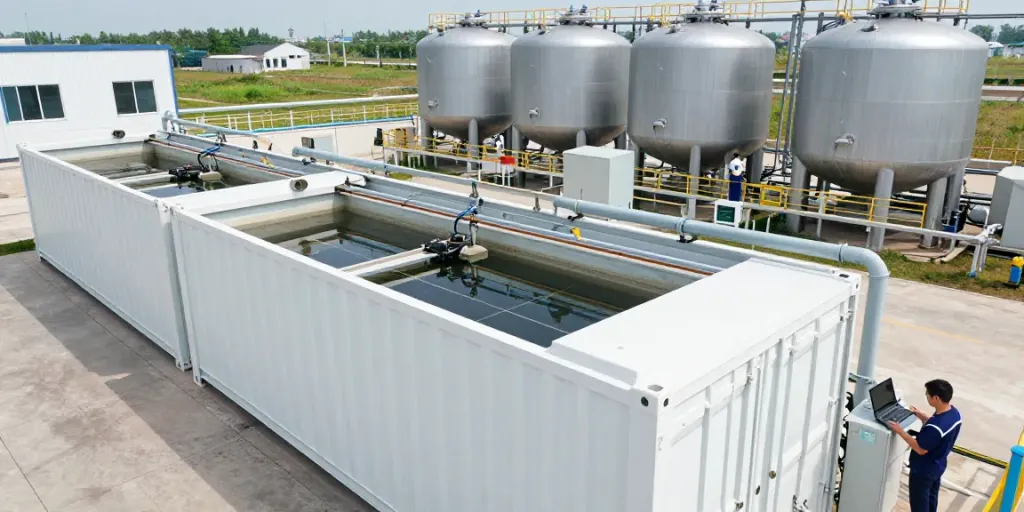
Containerized wastewater treatment systems are pre-engineered solutions that house all essential components within a transportable unit, typically a standard shipping container. Major components include:
- Inlet Works: Screens and grit removal systems that prepare wastewater for treatment.
- Biological Treatment Units: Systems such as activated sludge or membrane bioreactors that facilitate the breakdown of organic matter.
- Clarifiers: Settling tanks that separate treated water from sludge for further processing.
- Disinfection Units: Processes such as UV treatment or chlorination to eliminate pathogens before discharge.
Types of Wastewater: Domestic vs. Industrial
Understanding the differences between domestic and industrial wastewater is essential for effective treatment. Domestic wastewater typically includes sewage from homes, which is biodegradable and can be treated with biological methods. In contrast, industrial wastewater is often more complex, containing a variety of chemicals, heavy metals, and other pollutants that may require specialized treatment processes to achieve regulatory compliance.
Advantages of Containerized Wastewater Treatment Systems
Containerized wastewater treatment systems provide several advantages that make them a preferred choice for many applications.
Rapid Deployment and Installation
The modular nature of containerized systems allows for quick deployment, often in just one to two days. These units can be easily transported using standard flatbed trucks and cranes, making them ideal for both temporary and permanent solutions. They are particularly useful in disaster recovery situations, where swift action is necessary to restore wastewater treatment capabilities.
Operational Flexibility in Various Environments
Containerized systems are designed to function effectively in diverse environments. Their compact size means they can be located in urban areas where space is limited or in remote regions with fewer facilities. Additionally, these systems can be customized to meet specific regulatory requirements and treatment goals, offering flexibility that traditional treatment plants often cannot.
Compliance with Environmental Standards
Meeting environmental regulations is a critical aspect of wastewater management. Containerized treatment systems are engineered to comply with stringent standards, ensuring that treated effluent meets or exceeds local, national, and international guidelines. This compliance not only protects public health but also helps organizations avoid costly fines and penalties.
Choosing the Right Manufacturer
Selecting the right wastewater treatment system manufacturer is crucial to the success of any wastewater treatment project. Several factors should be considered when making this decision.
Evaluating Wastewater Treatment System Manufacturers
When assessing manufacturers, it’s important to consider their experience, reputation, and the technology they offer. Look for companies with a proven track record in both domestic and industrial wastewater treatment solutions, as well as those that demonstrate innovation in design and technology.
How to Assess Quality and Reliability
Quality assurance is essential in wastewater treatment systems. Manufacturers should provide comprehensive documentation regarding their equipment, including specifications, certifications, and warranties. Additionally, client testimonials and case studies can shed light on a manufacturer’s reliability and performance in real-world applications.
Common Pitfalls in Selection
Common pitfalls when choosing a manufacturer include failing to consider future scalability, overlooking after-sales support, and neglecting to assess system compatibility with existing infrastructure. Thorough research and clear communication of project needs can help avoid these mistakes.
Future Trends in Wastewater Treatment Technology
The field of wastewater treatment is continuously evolving, driven by technological advancements and regulatory changes. Staying informed about future trends is essential for manufacturers and users alike.
Innovations in Containerized Solutions for 2026
Looking ahead to 2026, innovations in containerized solutions are expected to include enhanced automation, improved energy efficiency, and integration of renewable energy sources, such as solar power. These advancements will not only optimize treatment processes but also reduce operational costs.
Smart Technology Integration
Smart technology is transforming wastewater treatment systems. The integration of IoT (Internet of Things) devices allows for real-time monitoring and data analysis, enabling proactive management of treatment processes. This technology helps to optimize performance, predict maintenance needs, and ensure compliance with environmental standards.
Regulatory Changes Impacting Manufacturers
As environmental regulations become more stringent, wastewater treatment system manufacturers will need to adapt quickly. Staying abreast of changes in legislation will be essential for compliance and competitiveness in the market. Manufacturers that prioritize sustainability are likely to gain a significant advantage.
Real-World Applications and Case Studies
Containerized wastewater treatment systems have proven their effectiveness in a variety of real-world applications, demonstrating their versatility and reliability in different settings.
Case Study: Successful Deployment in Urban Areas
In one instance, a containerized system was deployed in a densely populated urban area following a natural disaster. The rapid installation allowed for the immediate treatment of sewage, reducing risks of disease outbreaks and environmental pollution. The flexibility of the containerized system was crucial in meeting urgent public health needs.
Example: Industrial Facilities Utilizing Containerized Systems
Industrial facilities, particularly in the food and beverage sector, have successfully implemented containerized systems to manage their wastewater. One such facility reported a 30% reduction in treatment costs and improved compliance with discharge regulations after switching to a containerized solution tailored to their specific wastewater profile.
Lessons Learned and Best Practices
From these real-world examples, manufacturers and facilities can draw valuable lessons about the importance of selecting the right technology, ensuring robust support and maintenance, and being proactive in regulatory compliance. Best practices include regular system assessments and updates to equipment in line with technological advancements.
What are the top 10 largest wastewater treatment plants in the USA?
The largest wastewater treatment plants in the United States include the Stickney Water Reclamation Plant in Illinois, the Hyperion Treatment Plant in California, and the Blue Plains Advanced Wastewater Treatment Plant in Washington, D.C. These facilities serve millions of residents and play a crucial role in urban sanitation and environmental protection.
Who are the largest water treatment companies?
Major players in the water treatment sector include companies like Veolia, SUEZ, Xylem, and Pentair. These companies offer a variety of solutions, including wastewater treatment, to meet the growing needs of urban and rural communities alike.
What are some popular brands of wastewater pumps?
Known brands in the wastewater pump sector include Grundfos, Flygt, and Zoeller. These manufacturers provide high-quality pumps designed for efficient performance in various wastewater applications.
What is the best sewage treatment system?
The best sewage treatment system varies based on specific requirements, including flow rates, pollutant types, and local regulations. Containerized systems are increasingly favored for their adaptability and rapid deployment capabilities.
Are containerized systems cost-effective for small municipalities?
Yes, containerized wastewater treatment systems can be a cost-effective solution for small municipalities. Their lower installation costs, reduced space requirements, and operational efficiency provide significant savings, making them attractive for communities with limited budgets.