Understanding Bed Bug Treatment Options
Bed bugs are notoriously difficult pests to eradicate, requiring a thorough understanding of treatment options. Different methods exist to tackle these unwelcome intruders, from chemical solutions to heat treatments. This guide details various bed bug treatment approaches, equipping you with practical knowledge to tackle infestations effectively.
Types of Treatments Available
When considering bed bug treatments, understanding the types available is crucial. Treatments generally fall into two categories: chemical and non-chemical (or physical) treatments. Here’s an overview of their characteristics:
- Chemical Treatments: These involve the use of insecticides specifically designed to kill bed bugs. They can come in various forms, including sprays, powders, and integrated pest management products. While effective, they require careful handling due to potential risks to humans and pets.
- Heat Treatments: This method relies on raising the temperature of infested areas to lethal levels for bed bugs. Heat treatments can eliminate all life stages, including eggs, but they require specialized equipment and may necessitate leaving the premises for a limited time.
- Steam Treatments: Similar to heat treatments, steam cleaners allow for localized treatment. They kill bed bugs on contact at high temperatures and are particularly useful for smaller areas or specific items.
- Vacuuming: For initial cleanup and to reduce populations, vacuuming can be effective. However, it should be combined with other methods to ensure complete eradication.
- Encasements: Mattress and box spring encasements prevent bed bugs from entering or escaping, helping to control existing infestations and protect from future ones.
Heat vs. Chemical Treatments
Choosing between heat and chemical treatments depends on various factors, including the extent of the infestation, environment, and personal preference. Here’s a breakdown:
Heat Treatments
Heat treatments are overall one of the most effective ways to kill bed bugs, capable of reaching temperatures that disrupt their life cycle. They provide a non-toxic means of extermination, ideal for sensitive environments. However, the treatment requires a professional service and may necessitate the removal of items that can’t withstand high temperatures.
Chemical Treatments
Chemical treatments are versatile and often more accessible as DIY options. Many products target bed bugs effectively, but there's a risk of resistance developing if the same chemicals are used repeatedly. Additionally, safety regulations and precautions are critical due to potential exposure and health risks.
Signs of Bed Bug Infestation
Recognizing the signs of a bed bug infestation is crucial in addressing the problem promptly. Here are common indicators to look for:
Common Indicators in Homes
The first visible signs of bed bugs include:
- Bites: Red, itchy welts on the skin are often the first sign people notice, typically appearing in linear patterns on exposed areas of the body.
- Blood Stains: Small blood spots on bed linens or mattress can result from crushed bugs after they’ve fed.
- Dark Brown Spots: These are typically fecal matter, left behind after bed bugs feed. They can appear on mattresses, bedding, and walls.
- Shed Skins: Bed bugs shed their exoskeletons as they grow. Finding these skins can indicate a moderate to severe infestation.
Behavior Patterns of Bed Bugs
Understanding bed bug behavior is pivotal. They are nocturnal insects, primarily feeding at night and often hiding during the day in cracks, crevices, and seams of furniture and walls. Observing changes in sleep patterns or increased unexplained discomfort can signal bed bug activity.
Using Detection Tools
Several tools can aid in identifying a bed bug infestation:
- Monitors: Bed bug monitors can be set around beds or suspected infested areas to capture bugs, indicating an active infestation.
- Canine Detection: Trained dogs can sniff out bed bugs effectively. This can be especially useful for large areas.
- Sticky Traps: These traps can catch bed bugs, providing visual confirmation of their presence.
Steps to Prepare for Bed Bug Treatment
Preparation is key to effective bed bug treatment. Taking the right steps can maximize treatment success, minimizing risks of ineffectiveness.
Decluttering and Cleaning
Before treatment, it’s essential to declutter affected areas. Clear out unnecessary items, especially around beds, as this allows greater access for treatment. Thorough cleaning of the immediate area can also help reduce the number of bed bugs and their eggs.
Inspections Before Treatment
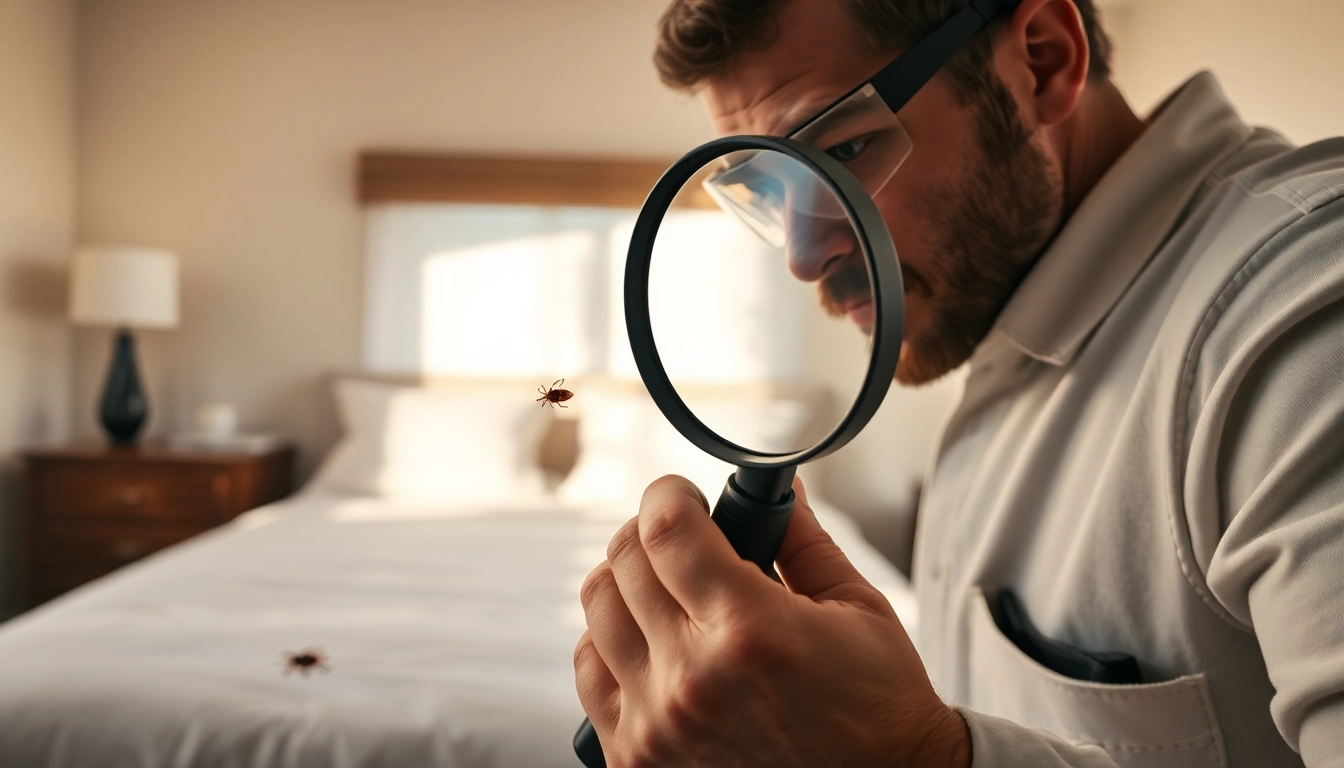
Conducting thorough inspections helps identify all infested areas. Focus on bedding, furniture seams, baseboards, and even electrical outlets. Identifying hotspots can direct treatment, ensuring no bed bugs are overlooked.
Protecting Belongings
Protect your belongings to prevent cross-contamination during treatment. Seal items in plastic bags or containers, particularly clothing, linens, and fabrics. This not only protects them but also contains potential bed bugs during the process.
Post-Treatment Care and Monitoring
After treatment, attention to care and monitoring can make all the difference in maintaining a bed bug-free home.
What to Expect After Treatment
It is common to see increased bed bug activity immediately after treatment, as they may attempt to escape the heat or chemicals. However, effective treatments should lead to noticeable reductions in sightings and bite occurrences within a few weeks.
Long-Term Monitoring Strategies
Implement long-term monitoring strategies such as regular inspection and maintenance of bed bug traps. Early detection is vital in preventing a resurgence of these pests.
Preventing Future Infestations
A few proactive steps can significantly reduce the risk of future infestations:
- Regularly wash bedding in hot water.
- Use protective encasements on mattresses and box springs.
- Avoid bringing used furniture or clothing into your home without inspection.
Frequently Asked Questions About Bed Bug Treatment
What is the most effective treatment method?
The most effective treatment combines heat and chemical methods, tailored to your infestation’s severity.
How can I prepare for bed bug treatment?
Prepare by decluttering your space, vacuuming, and washing affected linens at high temperatures.
Will I need to leave my home during treatment?
You may need to vacate for a few hours to ensure the treatment works effectively without risks.
How can I tell if the bed bugs are gone?
Post-treatment inspections and a lack of bites or sightings will indicate successful eradication.
Can bed bugs return after treatment?
Yes, if not treated comprehensively or if new infestations occur. Monitoring is essential.