Understanding the Forklift
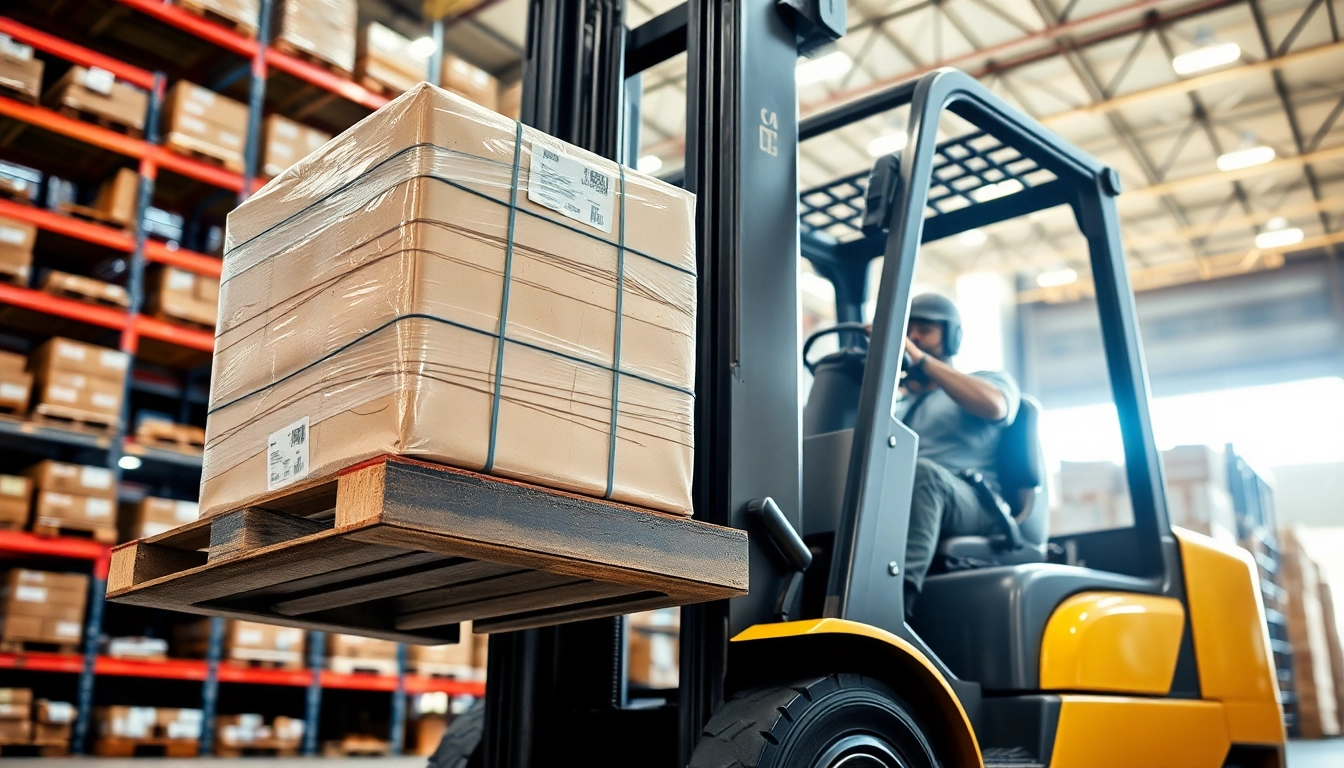
A forklift is a versatile industrial truck designed to lift, move, and stack heavy loads with ease and efficiency. Often referred to as an industrial truck or lift truck, the forklift plays an irreplaceable role in various sectors, from warehouses to construction sites. By enabling the transportation of materials that would otherwise require significant manual labor, the forklift significantly enhances productivity.
What is a Forklift?
A forklift is defined as a powered industrial vehicle equipped with a forked platform that can be raised or lowered to lift and transport goods. The operation is powered by electric or internal combustion engines, allowing for both indoor and outdoor operation. Forklifts can be found in various settings, from shipping docks to retail settings, where inventory management is crucial.
Various Types of Forklifts Explained
There are several types of forklifts, each tailored to specific tasks and environments. The main categories include:
- Electric Motor Rider Forklifts: Ideal for indoor use, electric models produce zero emissions and provide quiet operation.
- Narrow Aisle Forklifts: Designed for tight spaces, these are often used in warehouses where space is at a premium.
- Internal Combustion Forklifts: Suitable for outdoor use, these forklifts use gasoline or diesel fuel and can handle heavier loads.
- Pallet Jacks: Manual or powered devices designed to move pallets at ground level efficiently.
- Telehandlers: Versatile machines that combine the functionality of a forklift and a crane, capable of extending their reach.
Key Components of a Forklift
Understanding the main components of a forklift is essential for proper operation and maintenance. Key parts include:
- Mast: The vertical assembly that raises and lowers the forks, providing stability and strength when lifting loads.
- Forks: The horizontal arms that carry the load and can be adjusted based on the material being lifted.
- Power Source: Depending on the type, this could be an electric motor or an internal combustion engine.
- Wheels: Vary in design based on the forklift’s use; such as cushion tires for indoor environments or pneumatic tires for outdoor terrains.
- Operator Cabin: The space where the driver controls the forklift, equipped with necessary controls for steering and lifting.
Safety Practices in Forklift Operations
Safety is paramount in forklift operations since improper handling can lead to workplace injuries or damages. Implementing adequate safety practices is essential for both operators and the surrounding personnel.
Importance of Safety Training
Safety training ensures that forklift operators understand the potential hazards associated with their equipment and the environment in which they work. It equips them with the skills necessary to operate equipment safely. Training should include:
- Understanding the forklift’s operational functions
- Identifying hazards and risk assessment
- Learning safe load handling and stacking techniques
Common Safety Protocols
Adhering to established safety protocols can drastically reduce the risk of accidents. Common practices include:
- Conducting pre-operational checks before use
- Maintaining clear pathways and proper signage
- Securing loads adequately before transport
- Using seatbelts and necessary safety gear
Safety Equipment for Forklift Operators
Safety equipment is a crucial part of operating a forklift. Essential items include:
- Hard hats to protect against falling objects
- High-visibility vests for better visibility
- Safety shoes to provide better grip and foot protection
Maintenance for Forklifts
Regular maintenance is vital for the longevity and safe operation of forklifts. It ensures optimal performance and reduces the risk of unexpected breakdowns.
Routine Maintenance Checks
Regular maintenance checks should include:
- Inspecting fluid levels (oil, water, hydraulic fluid)
- Checking tire conditions and wear
- Examining brakes and electrical systems for potential issues
- Cleaning air filters and ventilations
Signs Your Forklift Needs Repair
Being proactive helps prevent further damage and ensures safety. Signs that your forklift needs repair include:
- Poor steering response or difficulty maneuvering
- Unusual noises during operation
- Fluid leaks visible under the forklift
- Frequent warning light indicators
Choosing the Right Maintenance Partner
Selecting a reputable maintenance partner can make a significant difference in your forklift's performance and longevity. Essential factors to consider include:
- Experience and certification of technicians
- Availability of replacement parts
- Track record and customer reviews
Operational Best Practices for Forklift Use
Operational best practices improve efficiency while minimizing risks associated with forklift use. Applying strategic methods can enhance workplace productivity.
Efficient Load Handling Techniques
Proper load handling is key to forklift operation. Efficient techniques include:
- Positioning the forks correctly to support the load
- Maintaining a low center of gravity for stability while transporting
- Using smooth, controlled movements when lifting and lowering
Maximizing Workspace Efficiency
Improving workspace efficiency involves strategic placement and operation of forklifts, such as:
- Designating clear traffic paths and using markings to guide operators
- Organizing storage areas for quick loading and unloading
- Using narrow lifts in high-density storage environments for accessibility
Common Mistakes to Avoid
Avoiding common errors can enhance safety and efficiency. Key mistakes to watch out for include:
- Overloading the forklift beyond its rated capacity
- Neglecting to perform pre-operational inspections
- Failing to secure loads properly before lifting
Forklift Industry Trends and Future Insights
As technology and market demands evolve, the forklift industry must adapt. Understanding current trends can help prepare stakeholders for future developments.
Innovative Forklift Technologies
Advancements in forklift technologies are making operations safer and more efficient. Key innovations include:
- Automation technologies, such as autonomous forklifts that increase safety and productivity.
- Telematics systems for real-time tracking of forklift performance and health.
- Electric forklifts that offer environmentally friendly and cost-effective solutions.
Market Demand for Forklifts
The market for forklifts continues to grow, driven by the increasing need for efficient supply chain management. This growth is fueled by:
- The rise of e-commerce, which increases warehousing and distribution demands.
- Globalization of trade, requiring more robust logistics infrastructure.
- Technological advancements that enhance forklift efficiency and safety.
Career Opportunities in Forklift Operations
As demand rises, so do opportunities for forklift operators. Career paths can include:
- Forklift operators in various industries such as manufacturing, retail, and logistics.
- Supervisory roles for managing team operations and logistics.
- Technical positions related to maintenance and forklift technology innovations.
FAQs About Forklifts
What are the different types of forklifts?
Forklifts include electric motor rider, narrow aisle, internal combustion, and pallet jacks, each serving unique operational needs.
How much can a forklift lift?
Forklifts typically lift between 3,000 to 40,000 pounds, with heavy-duty models capable of lifting more for specialized tasks.
What safety training is required for forklift operators?
Forklift operators must complete safety training covering operational procedures, load management, and hazard awareness for compliance.
How do I choose a forklift for my business?
Consider factors like load capacity, environment, and specific operational needs when selecting the appropriate forklift.
What maintenance does a forklift require?
Forklifts need routine checks on fluid levels, battery condition, tire wear, and brakes. Adhering to the maintenance schedule is crucial.